
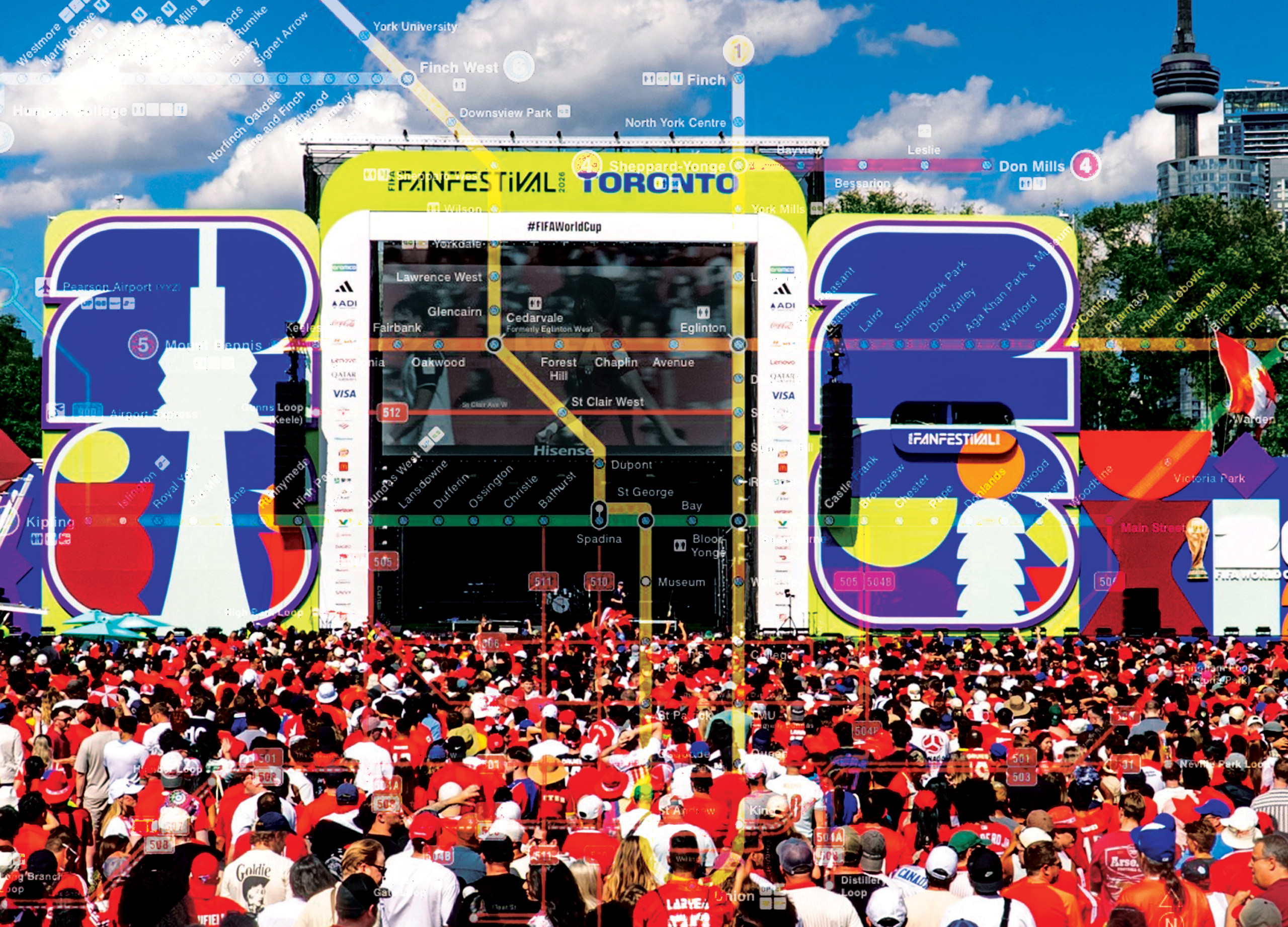
This summer, Toronto took up the exciting role as a host city for the FIFA World Cup. While the festivities have come and gone, the City of Toronto says many of the tournament’s investments were designed to benefit residents long after the final match. From upgraded sports facilities to expanded accessibility measures, officials describe the event as an opportunity to create long-term improvements across the city.
According to a statement provided by the City, hosting the tournament was planned with the intent of creating lasting community benefits rather than temporary event infrastructure. The City says its hosting strategy prioritized sport and wellness, environmental sustainability, arts and culture, tourism, economic development, accessibility, and community engagement.
In partnership with Maple Leaf Sports & Entertainment, which owns both the Maple Leafs and Raptors, the City upgraded BMO Stadium. These renovations were to meet FIFA’s technical and broadcasting requirements while allowing the venue to continue hosting professional sports, concerts and other major events beyond the tournament’s conclusion.
The City also highlighted improvements at Centennial Park, where a new pitch and fieldhouse will become part of a permanent Soccer Hub with the aim of “supporting local leagues, community programming and recreational activities.”
Additional legacy initiatives include new soccer mini-pitches across Toronto parks, expanded free soccer programming in underserved communities, $1.7 million in community-led celebrations during the tournament, and workforce development opportunities for Indigenous, Black and equity-deserving youth. City officials also emphasized that accessibility improvements introduced for the World Cup are intended to improve planning and standards for future large-scale events across Toronto.
While the City focused on long-term benefits, some commuters experienced challenges during the tournament. Excalibur spoke with two York students to hear their perspectives on public transportation services during and after the World Cup.
Rumaysa Mohammad, a third-year psychology major who uses public transit daily, says the World Cup brought heavier crowds and occasional service disruptions.
“So far, my commute has been moderately affected by the traffic and construction during the Men’s FIFA World Cup,” Mohammad remarks. “I’ve noticed an increase of cancelled trains, heavy traffic on converging stations such as Bloor-Yonge and Cedarvale, and more delays.” Although she experienced disruptions, Mohammad mentions that one tournament-related change deserves to remain. “The extended hours of subway and streetcar usage should continue, as it allows for more travel accessibility and safety across the city,” she explains, adding the caveat that continued funding would be necessary to support TTC employees.
Aborah Akosua Badu, a fourth-year design student, also noticed larger crowds throughout the city. Badu highlights Union Station, which she frequents to transfer from GO to TTC.
“It was pretty hectic at first,” Badu reflects. “Fortunately, things mellowed out and I was able to avoid the big rush by planning out my trip.” Despite not witnessing any decrease in the TTC’s chronic delays, Badu appreciated several improvements made during the tournament, including more detailed stop announcements and the increased presence of staff at major stations.
“The changes should stay! Crowd control is very important, especially at Union,” says Badu. “Mentioning connections is also pretty helpful for new commuters and tourists alike.”
As Toronto looks beyond the FIFA World Cup, the City’s investments in public spaces, accessibility and community programming are expected to remain. For commuters like Mohammad and Badu, the hope is that improvements to transit accessibility, crowd management, and passenger information continue long after the tournament has ended.
