



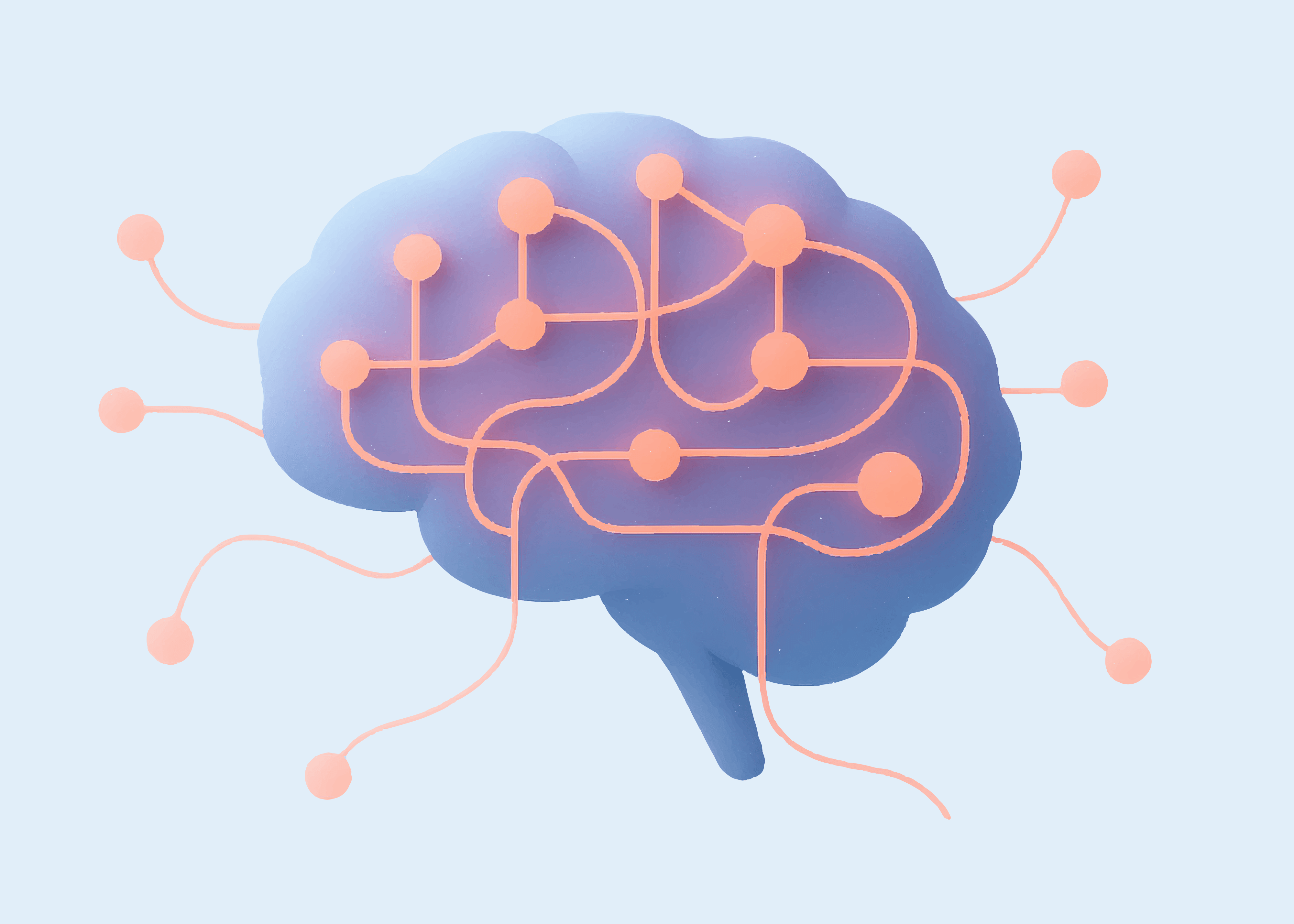
Your brain is like a rubber band — it’s stretchy, bendy, and able to bounce back from more than you might think. That’s the magic of neuroplasticity. It’s like having a built-in superpower that helps you change, grow, and heal — all by rewiring your brain!
Not good enough? Neuroplasticity doesn’t stop in childhood. It works throughout your life. Your brain is always ready to evolve, adapt, and bounce back from challenges or recover from setbacks. It can even heal from trauma, difficult experiences, and mental health struggles.
But first, what is neuroplasticity anyway?
Neuroplasticity is like your brain’s version of a makeover. Do you sometimes get those sudden urges to change your style completely? It’s something like that.
When you decide to revamp your appearance, it starts with you reflecting, finding the flaws, and then changing to align with your new goals. You clean out the closet and replace the clothes that don’t get worn with new ones that match your aesthetic. You change the old you by doing things that bring you closer to your ideal new self. Neuroplasticity isn’t that different. It is essentially the brain’s incredible ability to reorganize itself by forming new connections and adapting to whatever life throws at it.
On a day-to-day basis, neuroplasticity is exercised when your brain creates and strengthens new neural connections. These connections are formed based on what you experience and the necessary adaptations to achieve your ideal outcome in a given situation.
However, not all life experiences are positive, and trauma often impacts our brains in different ways.
Traumatic experiences, especially in childhood, can have a lasting impact on how your brain functions. When we undergo prolonged stress or fear, such as from abuse, neglect, or even just the pressures of life, our brain responds by changing.
Two key parts of the brain that are affected by trauma are the hippocampus, thought to be primarily responsible for memory and emotional regulation, and the amygdala, the brain’s “alarm system” that deals with fear and emotions. During and after traumatic experiences, these areas can become super responsive. The hippocampus might shrink a bit, making it harder to remember things or stay calm. The amygdala might go into overdrive, making you feel anxious or fearful even when you’re safe. While these changes are evolutionary holdovers intended to improve survival, they can get in the way of everyday life.
But the hopeful news is that these changes don’t define you. Even if your brain has been shaped by tough experiences, neuroplasticity means your brain can change again. In the same way it adapts to negative experiences, it can learn new ways of thinking and reacting that promote healing, joy, and resilience.
So, how can you use the power of neuroplasticity for your own good? It might be helpful to think of it as working out your brain! Just like how you exercise to keep your body strong, you can train your brain to form new, healthier connections.
Forms of psychological treatment, like cognitive behavioural therapy (CBT), are great for this. CBT teaches you to recognize unhelpful thought patterns in the moment and replace them with healthier, more balanced ones. Over time, your brain rewires itself to react differently to stress, sadness, or anxiety.
Other brain-boosting habits include mindfulness, yoga, exercise, and even learning new skills such as cooking or drawing. These habits help your brain form new, positive connections that encourage emotional regulation, creativity, and resilience.
What’s truly magical about the elastic brain is that it’s always ready for a fresh start. Neuroplasticity shows that even though the past may have left its marks, your brain can reorganize, reshape, and heal. There is no doubt about that. Your brain has the power to bounce back from adversity, no matter how big or small the challenge may seem.
It’s adaptable, resilient, and, most importantly, elastic. With the right support, patience, and self-care, you can tap into that amazing power to rewire your brain for a better future.
So next time life throws a curveball at you, just remember that you have the ultimate superpower on your side. The elastic brain is always ready to help you bounce back stronger than ever!
