
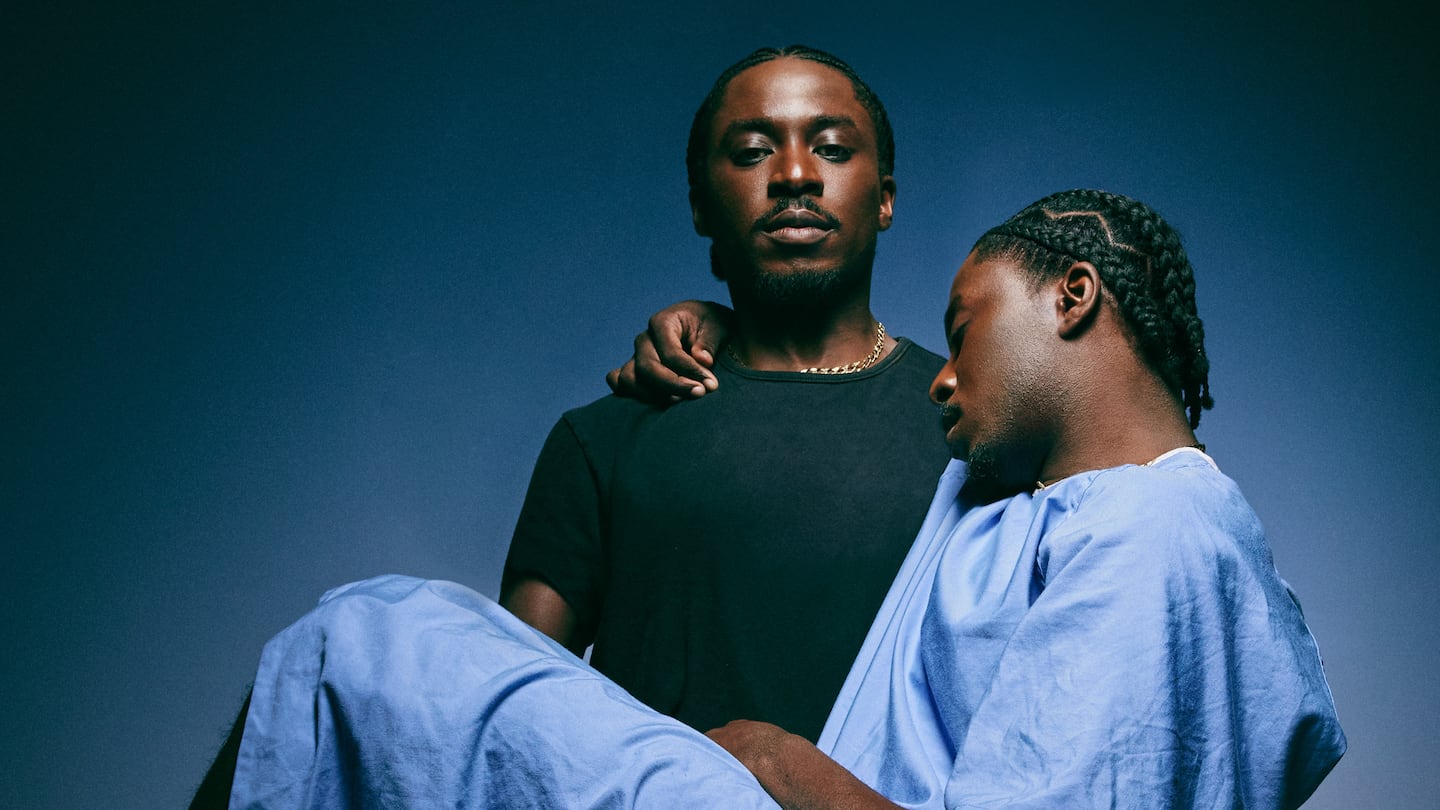
On Nov. 2, 2026, the City of Toronto’s Confronting Anti-Black Racism Unit (CABR) and the Sickle Cell Awareness Group of Ontario (SCAGO), in collaboration with the University of Toronto and filmmaker Gabriel Badjeo, held an event titled The Sickling Screening. Badjeo’s work spans film, television, commercials, and music; his newest documentary, The Sickling, was the centrepiece of the event. Aside from the screening, there was a panel discussion, live podcast, blood drive, and sickle cell trait screening.
According to a clinical review published in the Annals of Internal Medicine, sickle cell disease is an umbrella term for a group of inherited, single-gene blood disorders characterized by the presence of specific gene mutations or deletions. One such mutation leads to the production of an abnormal form of hemoglobin, which carries oxygen to other parts of the body. While around 95 per cent of children living in high-income countries with the disease survive into adulthood, the disease can still be very acute.
According to Ontario Health, in Ontario and across Canada sickle cell disease mostly affects “racialized people, particularly those who identify as Black. These people often experience racism and anti-Black racism in their interactions with the health care system, which negatively impacts the quality of the health care provided to them.” The provincial agency notes that many patients avoid or delay accessing care in the emergency department due to previous experiences of being stigmatized and falsely accused of “drug-seeking.”
“The Sickling” harrowingly captures the gripping, lived reality of that experience. The documentary follows Toronto sickle cell patient Gabriel Badjeo as he becomes one of the first people in the world to undergo stem cell treatment for the disease.
Gerard Mead, a Black community worker who attended the documentary screening, feels that the event is “beautiful to see.” Mead says that The Sickling’s “representation is going to go further than [Badjeo] might even realize in terms of other young people—people who can see themselves through him.”
Mead, excited to share this experience with more of the community, says he wants to “take it to audiences further North…like in Scarborough.”
As someone who has experienced and witnessed racism in health care, Mead believes it is important for both those with sickle cell and Black people in general to familiarize themselves with reputable statistics, so that people aren’t “reluctant to believe” diagnoses.
The event was not only meaningful to attendees, but planned and executed by a passionate team. One such team member is the venue organizer, Dionne Banton, outreach coordinator of the University of Toronto’s Temerty Faculty of Medicine. Banton says she has been working on this project since the summer and is thrilled with its culmination.
“Hearing [Badjeo’s] story, hearing about who he is, and how he got here, and his struggles and his triumphs – it’s just very inspiring,” she says. As a coordinator of a program that connects with Black high schoolers, Banton wants to carry The Sickling Screening’s mission further and “make sure that my students learn about everything: health sciences and how they can grow in their careers. And they can see themselves in these positions to heal the next future”
Banton mentions, as well, that the work needs to be cross-cultural and all-encompassing, as “it’s not actually for [Black people] to know. I think it’s for everybody else to learn more about it.” She adds that while the Black community knows about it.”
The Sickling Screening was a multifaceted event that addressed systemic issues within healthcare systems, the need for blood donors, and the painful reality of life with sickle cell disease. There are a myriad of problems surrounding this particular topic; that much is clear. But attendees were asked a crucial question: How will you be part of the solution?
